Brave new world. Buk-seoul Museum 1st floor.

Brave new world

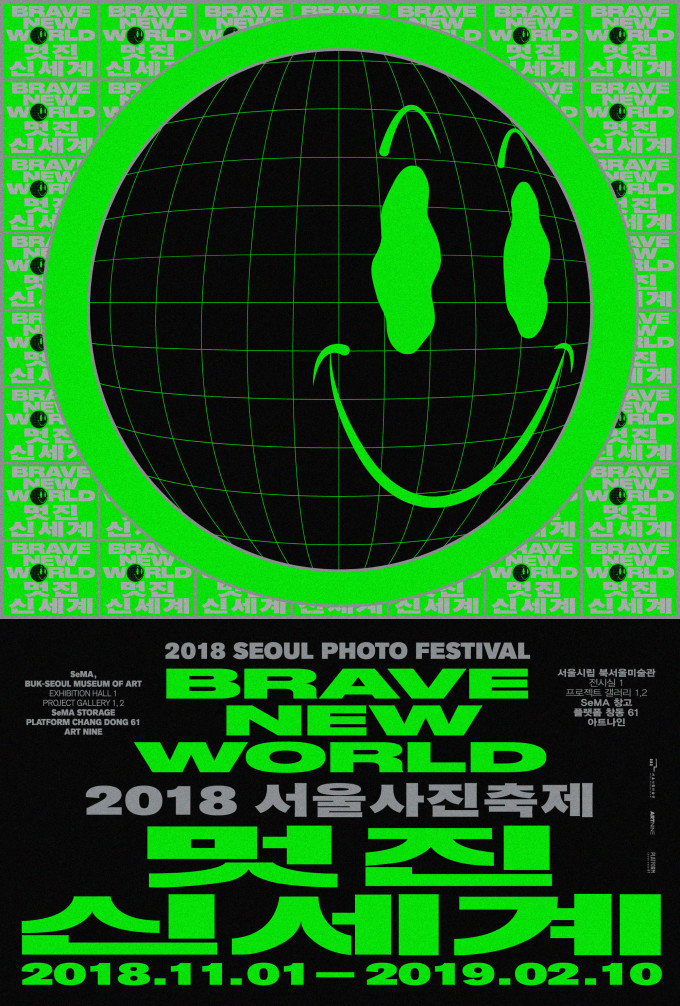
Inspired by Aldous Huxley’s 1932 novel, Brave New World, 2018 Seoul Photography Festival explores the theme of a future society where humans are artificially modified and controlled by advanced scientific technology. 

The exhibition examines the temporal setting of the novel, A.F.632, as a metaphorical basis that reflects the conditions and paradox of our technological development following modernization and presents how the emergence and distribution of new technology not only serves as the source of change for industries and material society, but also as a central force in subverting political systems, social structure and human values. 

The 19 artists participating in this exhibition individually reflect on our current information system and conditions which operate in similar context to the super-utilitarianism of Huxley’s future world in the year After Ford 632. Taking these issues as the motif of their works, the artists present their unique reactions and ways of resistance against the issues surrounding the dramatically changing global politics, society and environment.(reference : museum’s information.)

The introduction of the work

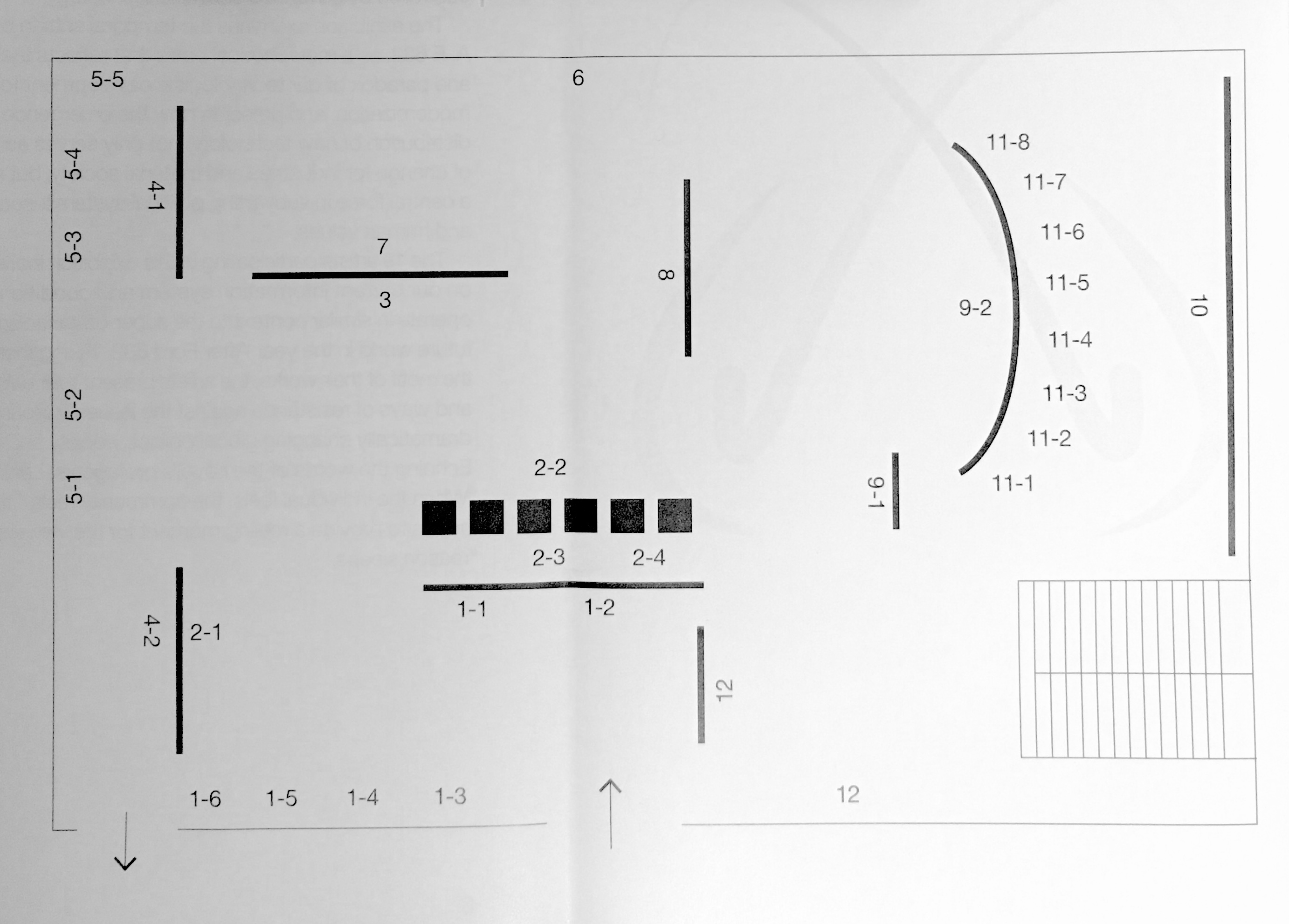
The introduction of the work is explained with a map attached to the guidebook. The map included an image of each piece, a brief description of each piece, and a feeling of the audience.
Zhang Kechun, The Yellow River among Mountains, Gansu, 2011, Inkjet on cotton paper, 135x167cm

Zhang Kechun, Lanzhou City, Gansu, 2012, Inkjet on cotton paper, 135x167cm

1. 장커춘 Zhang Kechun
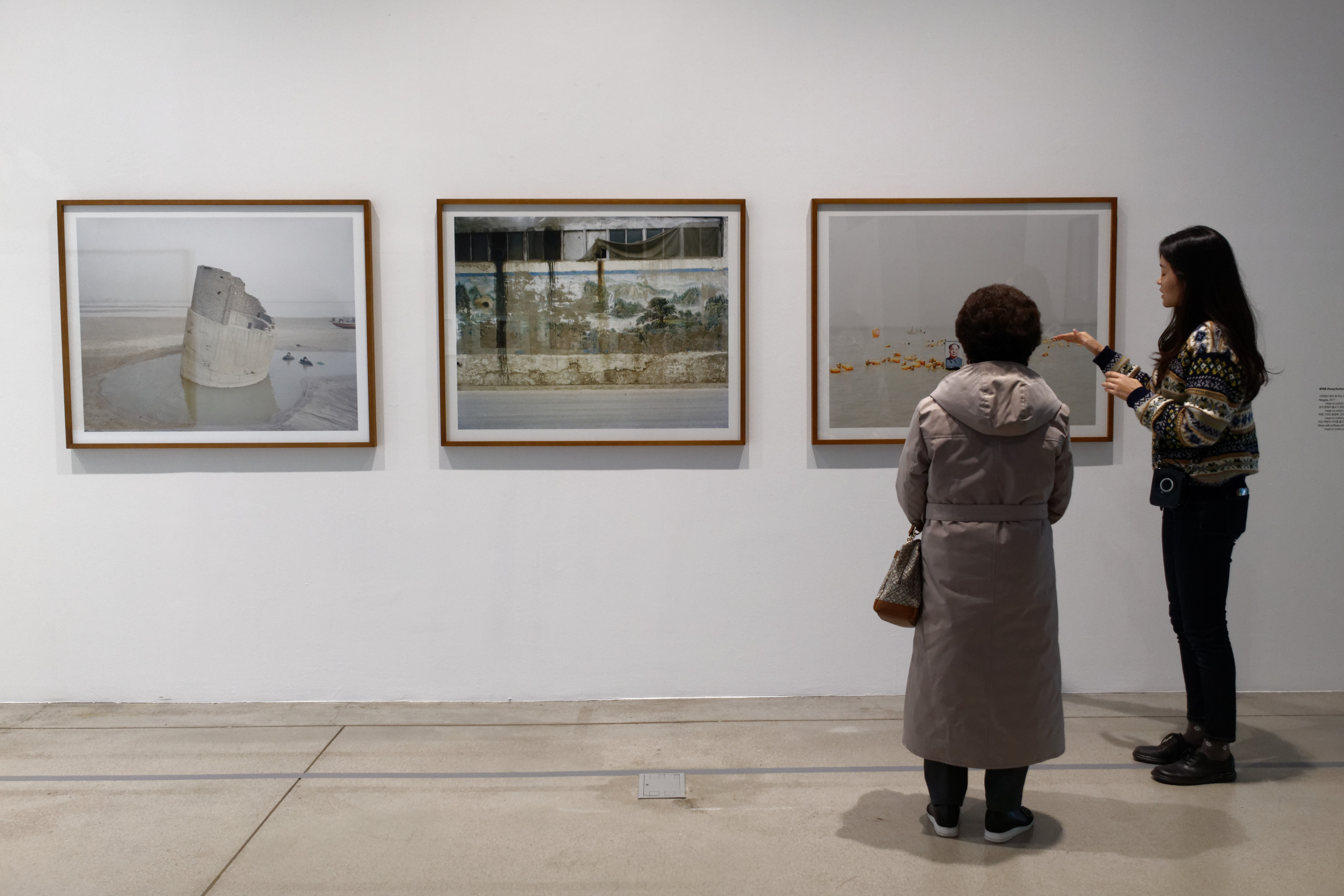

The photographer Zhang Kechun, who is based on Chengdu in China, is working on the natural and social landscape of China, which is changing rapidly in economic development and civilization. His two large printed works, which you can see as soon as you enter the exhibition hall, highlight the world of his work and the theme of the Seoul Festival of Photography. Although China has abundant natural environment to suit the vast continent, the city cannot be seen due to urbanization. And if you look closely at the vast natural landscape of China, you can see that the human hand has changed.

The vast China has a natural environment rich in population and area. To think of nature, China is urbanizing and industrializing due to its rapid economic development, and what we think of in China is such things as factories, big cities, and air pollution. There is a point in his work, such as the beautiful but somewhat changed and damaged natural environment, cultural heritage, and the changing appearance of China that has been civilized but only interested in the blind.

To be honest, there was not much excitement about Chinese work. Rather than being indifferent to China, it just seemed like a primary work. The coexistence and agony of industrialization and natural destruction was all in the frame. It’s a sad piece.

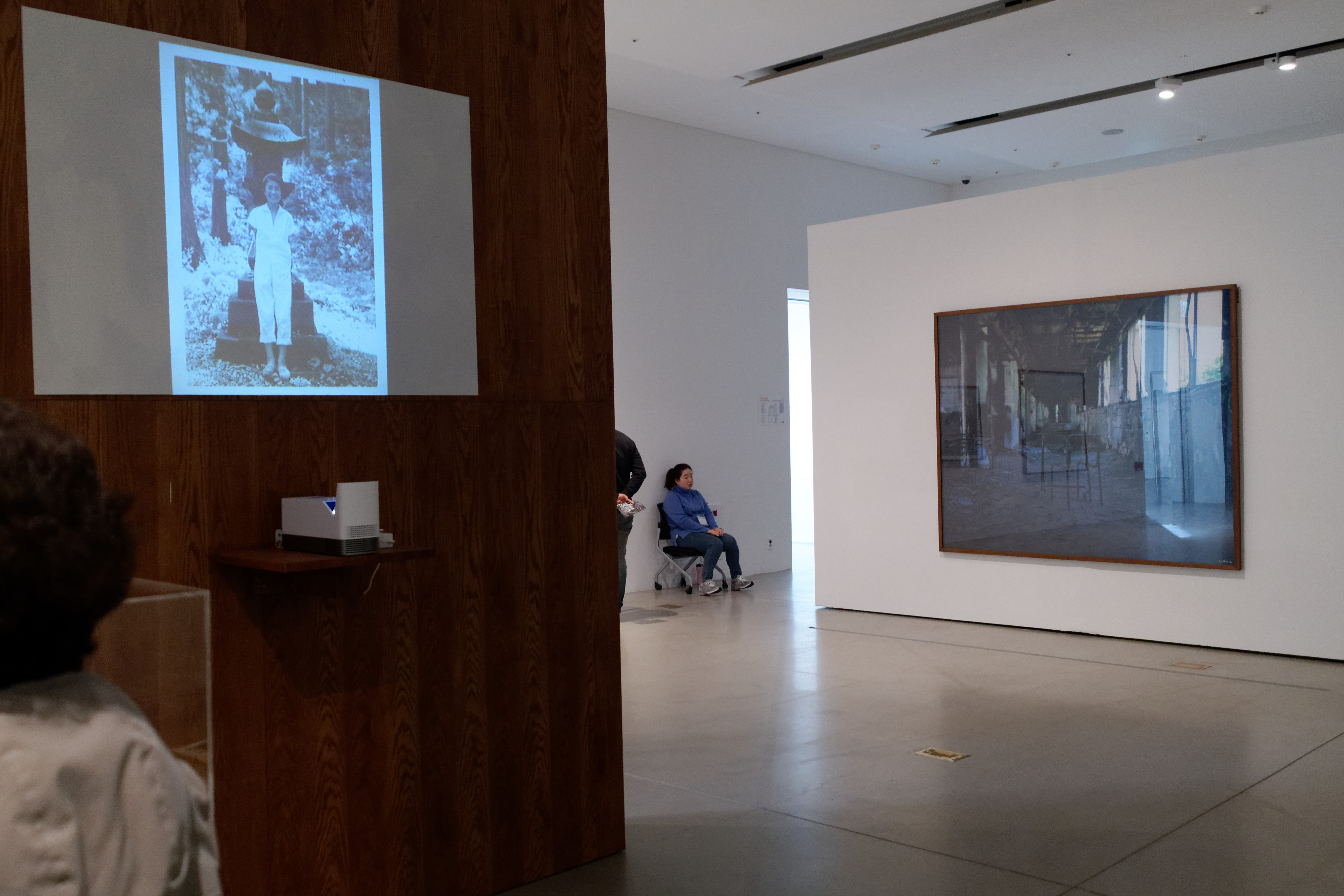
Area Park, Fukushima Archive-Burned Desk, 2011, Digital C-Print, 185x225cm
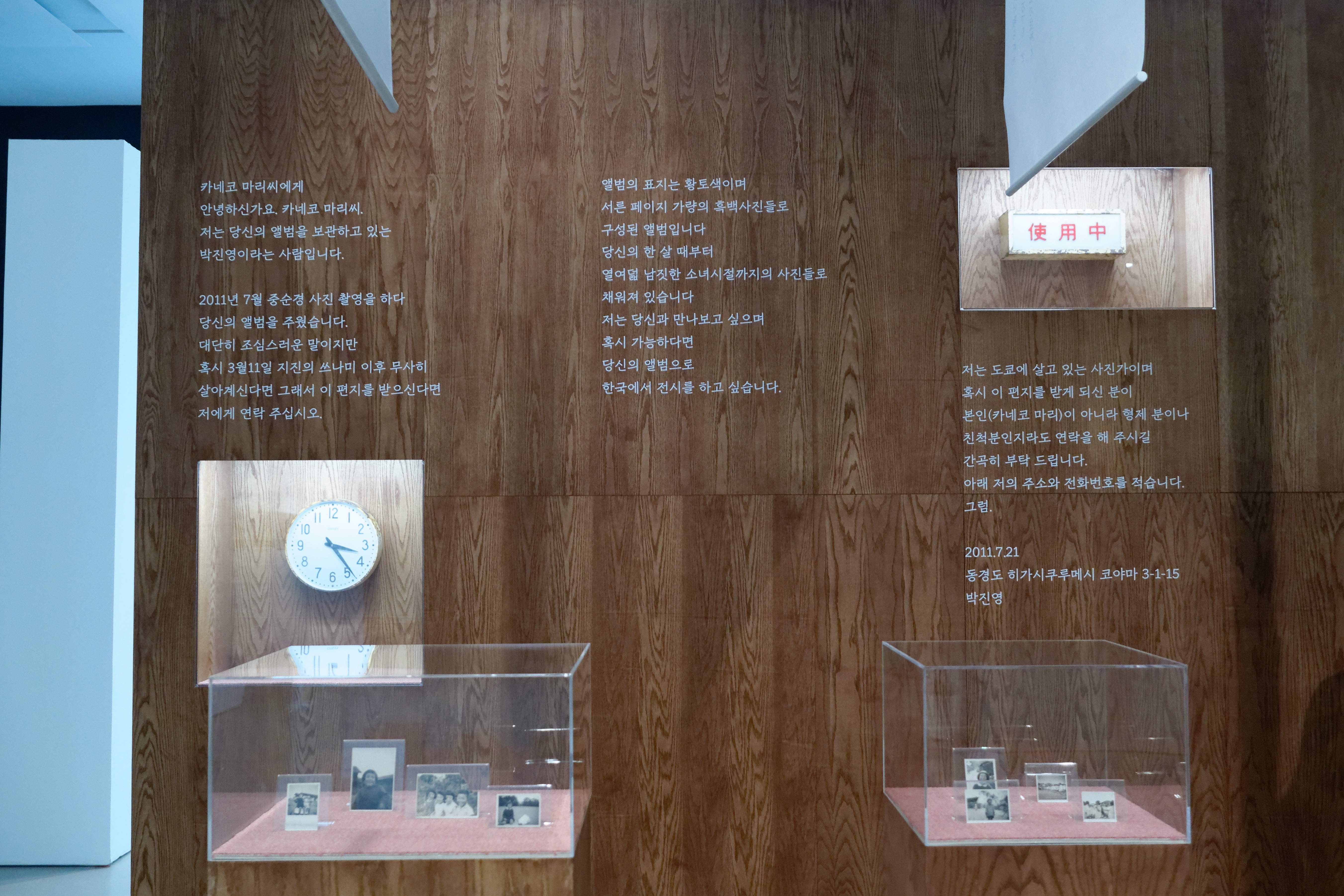


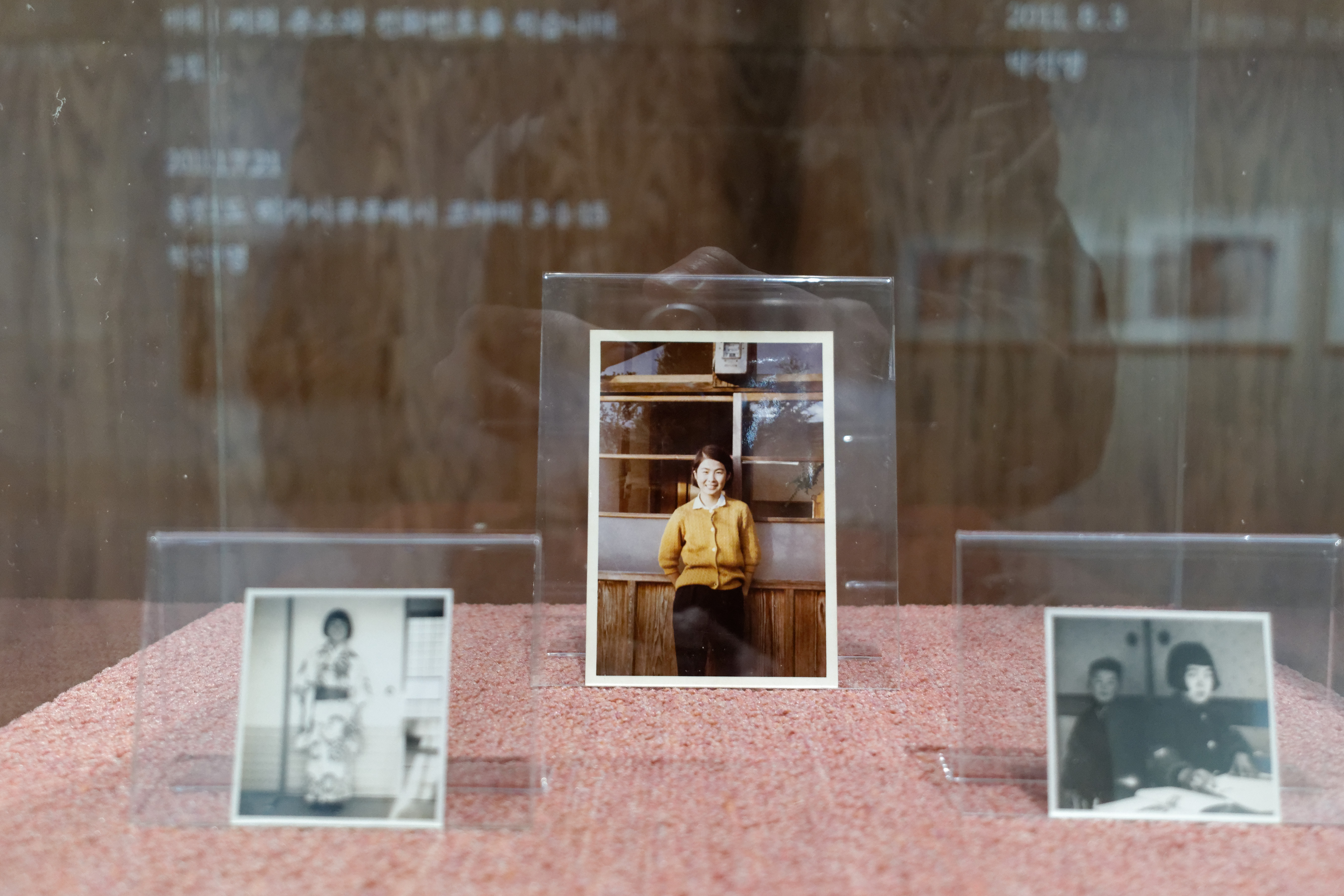
Area Park, Kaneko Mari’s Album, 2011, Mixed media, Dimension, Variable, photo:Youngjoo Kim

2. 박진영 Area Park

The artist filmed the Fukushima region of Japan, which was severely damaged by the earthquake and its aftermath in 2011. The abandoned chair in Fukushima gives the audience a glimpse of the photos, as well as the cultural and human damage that the natural disaster has caused. And the Carnegie Mare album, which takes up some space in the exhibition hall, tells the story of a Japanese man who was found by the author himself.

It also shows what happened after the Fukushima nuclear accident and what happened before the Fukushima nuclear accident. The author discovered a Japanese relic named Kaneko Mari in the ruins and documented it. It is a work that suggests what the nuclear weapons made for convenience have left us with.

I want to applaud the author’s ability to archive. He visited the site of the Fukushima nuclear plant in person, where he made a work of a combination of records taken like a reporter. It looks easy, but it feels like it’s a hard task to create something out of nothing. I think all three are well-equipped works as observers and writers.
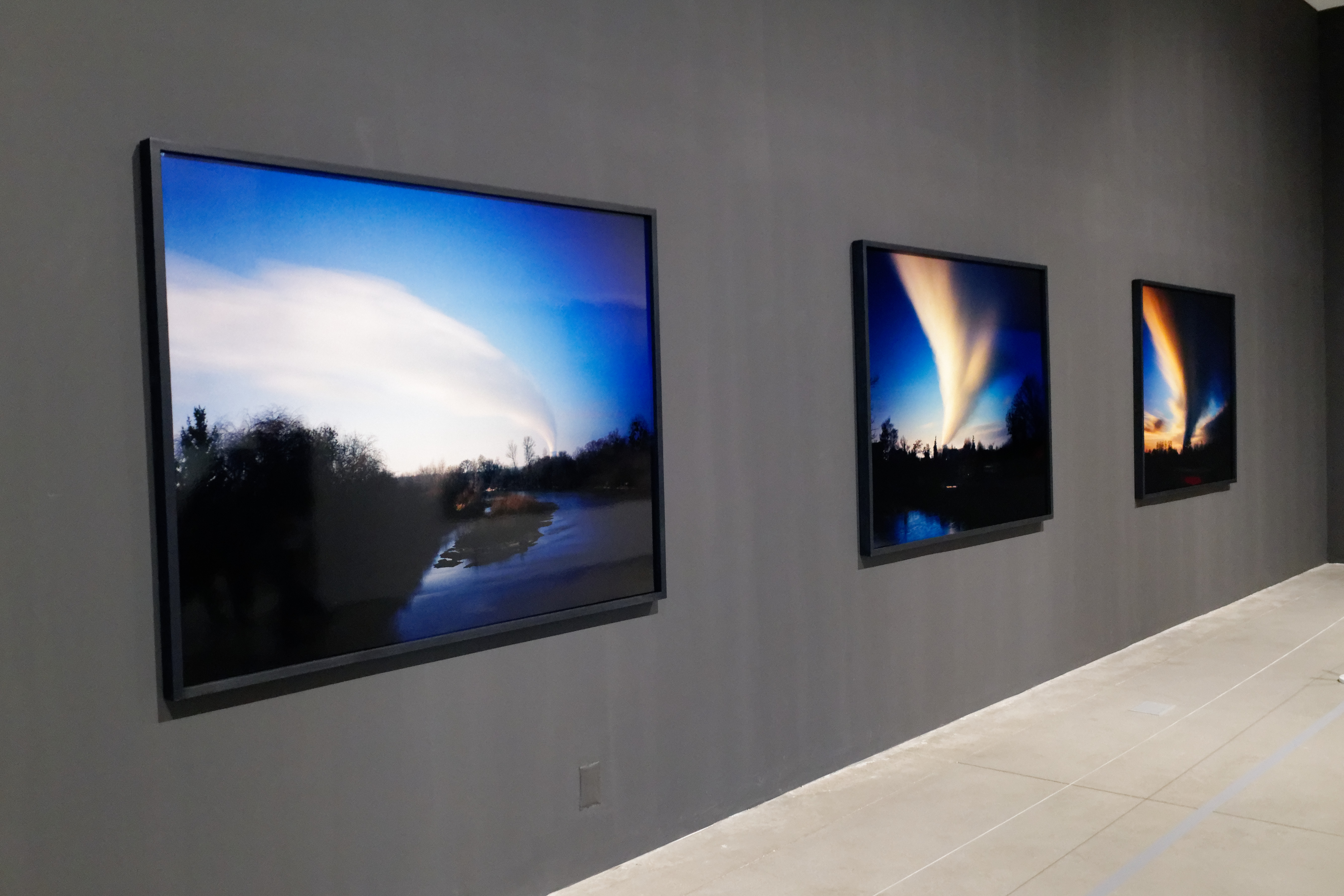

한성필 작가의 작품 전시 전경

Han Sungpil, Ground cloud in Seine 025, 2005, Chromogenic color print, 122x163cm

한성필

Photographs that occupy some space in the exhibition hall. Han Sung-pil’s “Cloud Ground” is a work that seems to contain beautiful blue skies and clouds. The clouds in the author’s work, which focused on the environment and nature, are actually clouds from nuclear power plants. an image of a beautiful but unappreciable phenomenon Once realized, it makes the audience feel the reality they cannot feel beautiful.
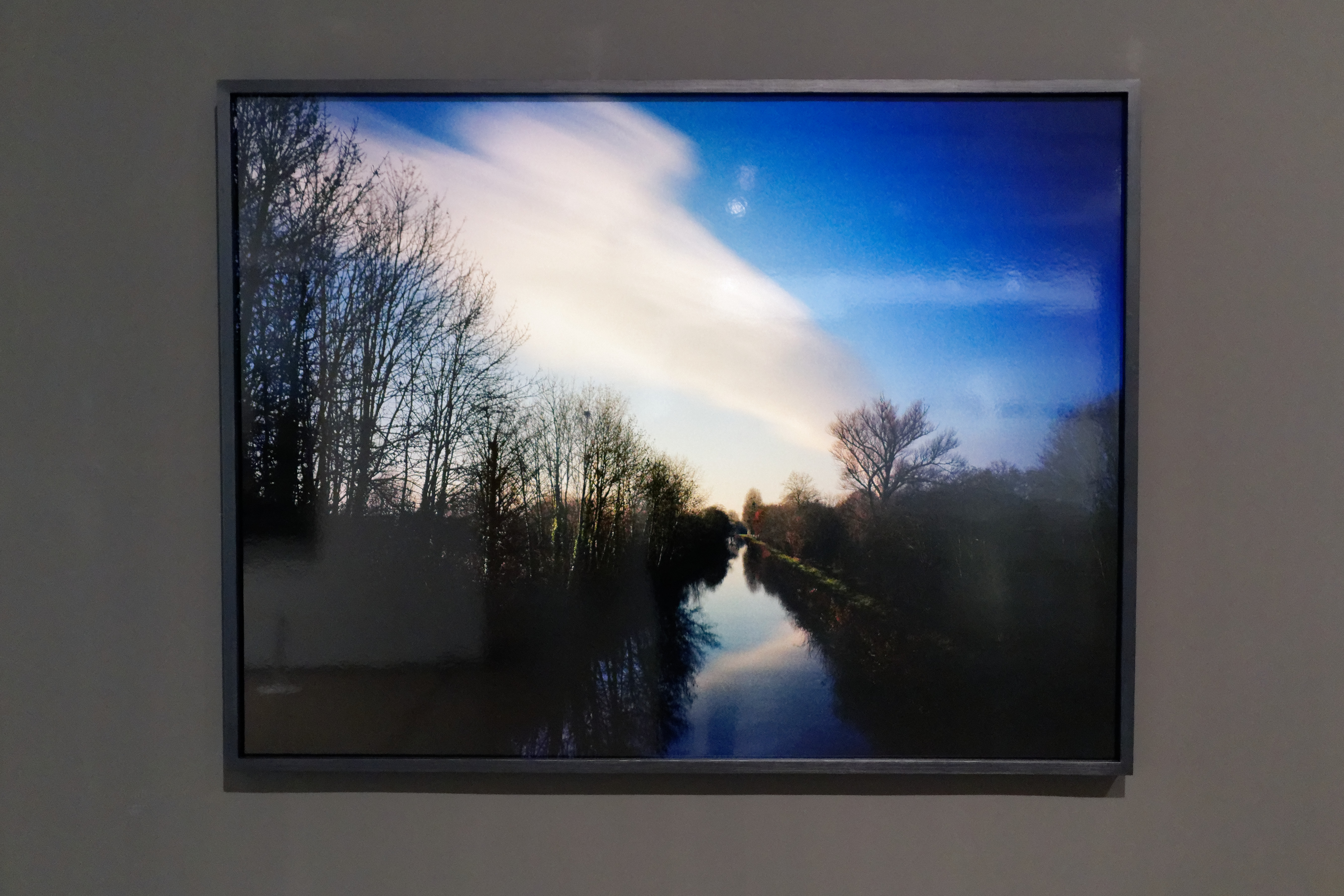

The author’s intention is good, embedded in the beauty of the cloud in the frame. It is a good product that utilizes common sense that it used to know. If the Chinese work is one-dimensional, it gives the audience a chance to think more. Nice work.

Rinko Kawauchi , untitled(from the series of Ametsuchi), 2012, Lambda print, 148x185cm each
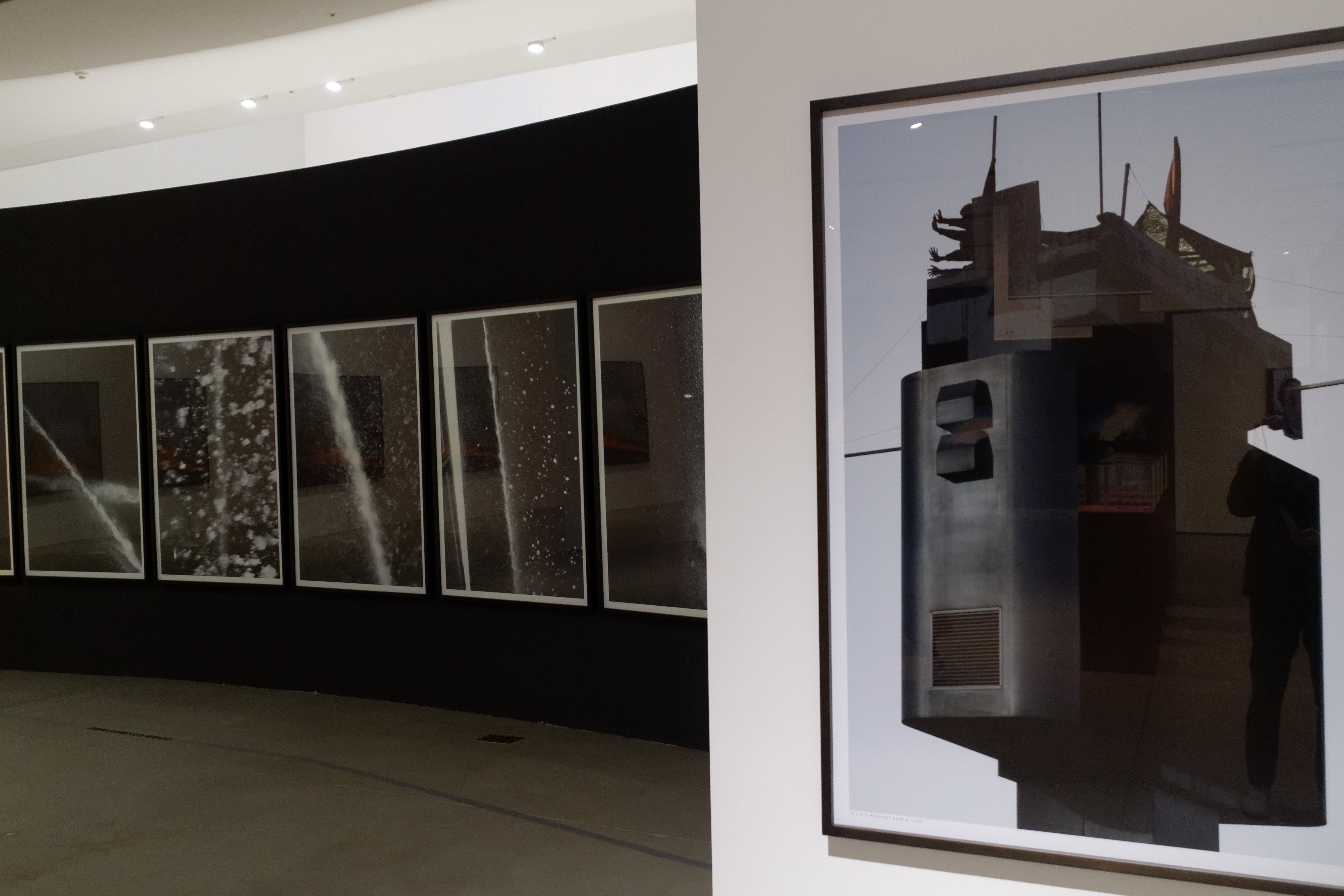

the series of Ametsuchi), 2012, Lambda print, 148x185cm each
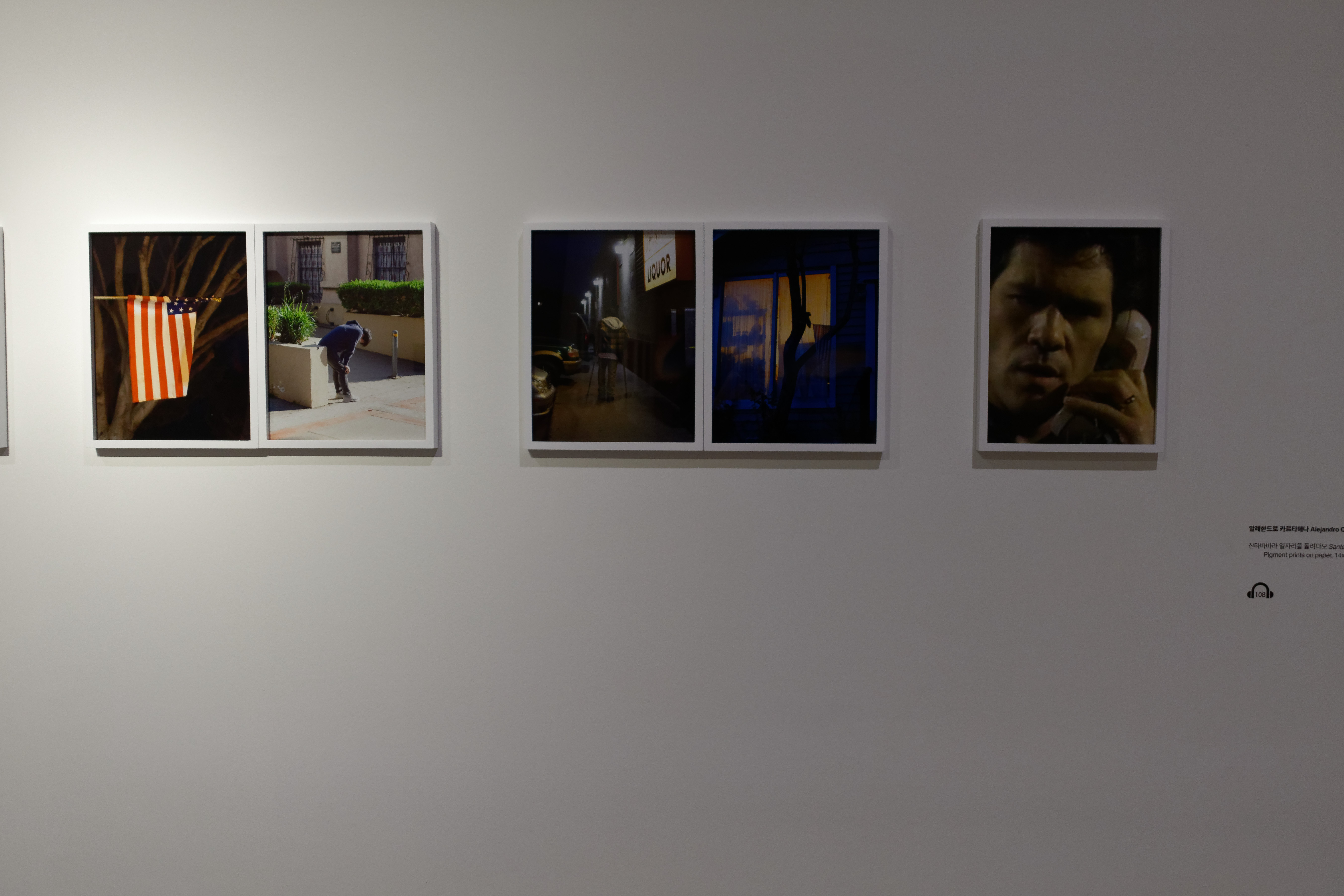

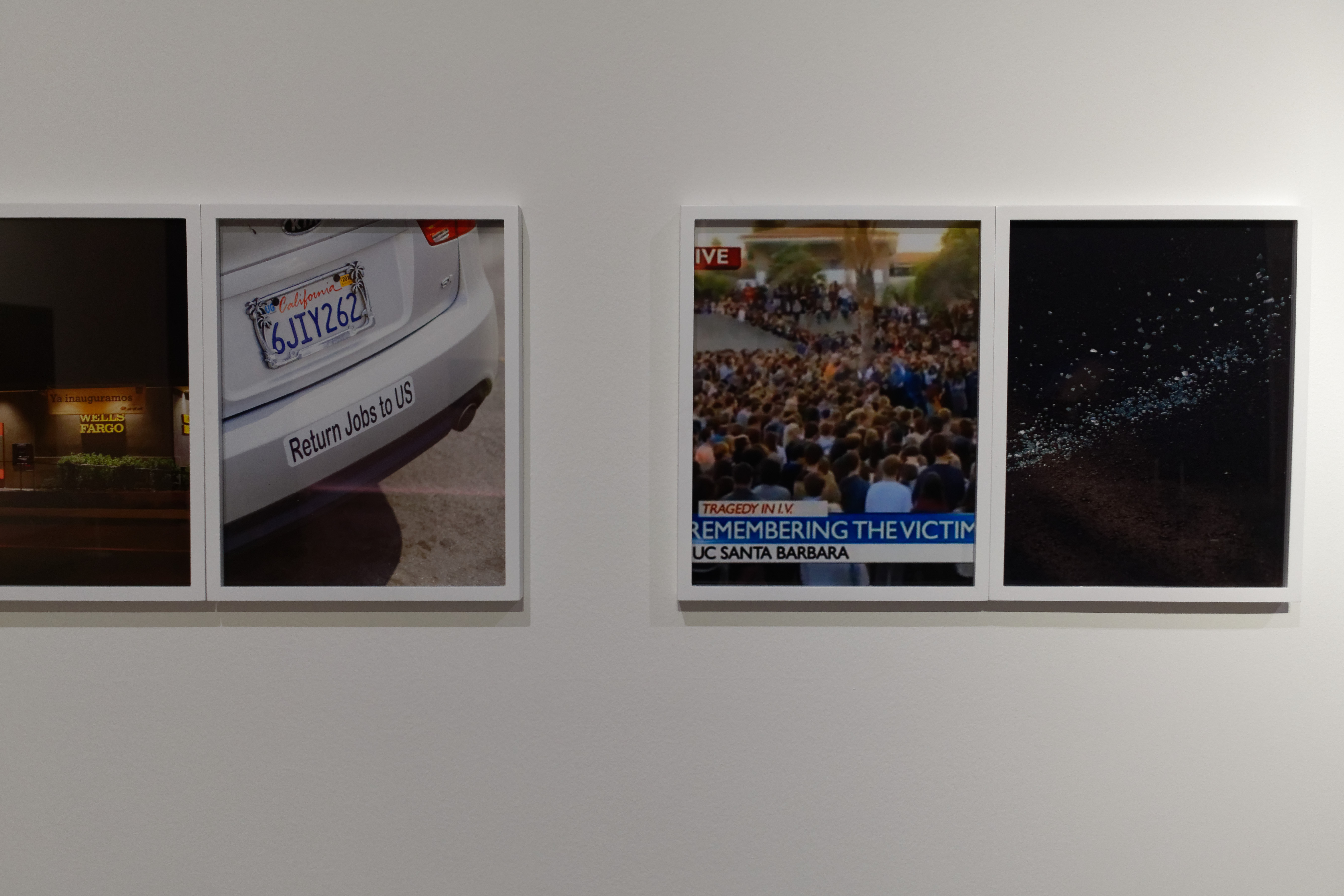
Alejandro Cartagena, Santa Barbara Return Jobs back to US

링코 카와구치 Rinko Kawauchi
알레한드로 카르타헤나 Alejandro Cartagena

At the Seoul Photo Festival, you can see works by Korean and foreign artists as well. Japanese photographer Kawaguchi Linko’s “Tenji Series” depicting the carelessly burning nature. And while unemployment in Santa Barbara, the U.S., famous for its beautiful resort, is looking bright, the work of Alejandro is also impressive.


Noh Suntag, Vertigo, #CFJ1301, 2015, Digital archival pigment print, 162x112cm, Collection of Seoul Museum of Art.

노순택

A glimpse of “Drought,” a photographer who is always interested in various scenes in Korean society, gives the impression that it is an abstract painting. However, this beautiful picture of an abstract painting captures a water cannon fired at the scene of the demonstration. You can see the development of civilization and what is happening at a time of conflict between Korean society and society in a rapidly changing era. His work in the “Emergency Country” series also shows the changing conflicts and sorrows of today’s Korean society.

As a Korean, N.S.T’s work is not uncomfortable. It feels like a great work to film and show an uncomfortable one. No matter what exhibition he meets, his work is always full of color. He is a steady and wonderful artist.

A the end, I’d like to share my tip to trip Buk-seoul Museum. There is Art library in Buk-Seoul museum. There are many art books for audiences and neighbors in near the place. It’s my favorite place to read art books, where there is the best place for people, who are interested in art and culture.

If I’m interested in domestic Biennale information, foreign one, I can find almost thing as much as I want. Of course, I can use my laptop and copy books in there. The Art Library is my precious space that inspires me, gives me a variety of ideas, and raises my curiosity about various works.

News, Dear Mr, Riply. Buk-seoul museum 2nd floor.

<News, Dear Mr.Ripley> will take a look at a time when people can create and share news-like information through SNS, single media, and communication in an era when everything is commercialized, through which art shares news and images through communication.

In particular, they want to start with problems from untruth such as fake news. It is because it is more likely to be trapped inside the walls of filtered and contextually fragmented information, such as recommended content and advertisements online and mobile, and because of this, it is becoming harder to communicate and understand each other, to get out of the commercialization, to find facts and truths.

They were introduced on the second floor of the museum in Buk-Seoul museum. In the same way as described 1ts floor, use the maps introduced in the guidebook to introduce the way. Unlike the first-floor photographs, video works are limited in the way they are filmed and uploaded. When asked about the gallery, he explained that it is difficult to film the work for upload on the site. It is not a commercial exhibition, but for copyright, it introduces the exhibition through a brief introduction and a brief appreciation of the work. As the exhibition will continue until February next year, I recommend you to visit the exhibition if you are interested.

작품소개

이주원 〈싸이와 김정은의 연관성〉, 2013 (2018년 재제작), 4min 25sec, 1min 14sec, 1min 21sec, 단채널 영상(3점), 91×152cm, 린넨에 유채

Juwon Lee – The relationship between PSY and Kim Jong-un (2013, 2018), 4min 25sec, 1min 14sec, 1min 21sec, Single channel video(×3), 91×152cm, Oil on linen

Lee Ju-won talks about the relationship between image and belief by borrowing the form of “mockumentary” that processes fictional situations as if they were being indiscriminately accepted by the media. Psy’s Relation between Kim Jong Un and real news clips, interviews, and the site of the art trade, together with paintings that appear to be on the Auction site. As evidence, Kim Jong Un is making absurd claims that he is using his global reputation as his ruling strategy. However, this argument, which foreigners might have believed, is only being subtitled, and if you look closely you can see that the wrong data screen is attached to it. As soon as the audience realizes this rift, social values and prejudices are created and the process of online usage is humorous. In fact, Lee Joo-won’s early film The Host lives in Han River was mistaken for the release of director Bong Joon-ho’s “The Host” 2 and was dealt with by foreign media.

From the beginning, Korean singer Psy will appear in the front. I think it’s a good work to catch my eye. Many works are mixed and audiences don’t use them for more than three seconds to decide whether to see them or not. It is interesting to present not only most Koreans but also world-famous singers at the forefront and to get interested in the video the author is trying to say. Given that the media misunderstood the author’s intention, it is quite successful to some extent.

업체eobchae × 류성실 〈체리밤〉, 2018, 12min, 단채널 영상

eobchae × Sungsil Ryu – CHERRY BOMB, 2018, 12min, Single channel video 

Eobchae is a collection consisting of Kim Na-hee, Oh Chun-seok and Hwang Hui, and they design projects or hold events on the web to produce goods and services. However, the goods and services produced are used to critically watch the Korean society, starting with non-functionality or inefficiency, although they roam around computing devices and screens large and small. <Cherrybam> is a collaborative work with writer Ryu Sung-sil that reflects the South Korean society’s appearance during the North Korean nuclear crisis in April 2018. The artists wanted to portray a situation in which the reality of Korean society is fluctuating in its own filter bubbles, seeing that Korean society is enjoying a peaceful daily life by varying or reflecting distorted views that it interprets even in a global crisis. Ryu Seong-sil, author of “Cherry Jang” on YouTube in the U.S., takes a step aside from the North Korean nuclear crisis and makes it into content. He sells indulgences before the end of the war. Also, the images that intersect with each other show the rich image regardless of the reality, by only sharing the North’s sign of North Korea’s nuclear weapons through a water rocket or palm ballistic science, and by throwing anything that gives it a non-sense of depth.

It seems as if anything is said without meaning. If you listen to it closely, you will fall in love with it because the satire looking at society naturally melts.

치명타 〈메이크업 대쉬〉, 2017, 16min 21sec, 8min 5sec, 5min 19sec 단채널 영상

Critical Hit – Make up Dash(series), 2017, 16min 21sec, 8min 5sec, 5min 19sec, Single channel video

The Critical hit turns it into a tool that conveys the voice of field activists by using artistic strategies and methods of field participation instead of the way in which SNS or one person media are used. Make-up Dash takes the form of “Beauty YouTube,” melts social themes such as “low-time” (6,470 won) make-up!” and “fighting make-up” while pretending to be the favorite content of female make-up YouTube’s “boyfriends’ make-up” and discussing with his boyfriend about the culture of Korean society. Through this, we should think again about the types and roles of women that society requires, and the discrimination and suppression that society imposes on minorities and underdogs. You can see a dramatic change in social networking sites or the one-man media that culturally reproduce the power relationship or drive the extremes of commercialization.

These days, there are many makeup YouTuber in Youtube. It is going to promote new makeup and newly released makeup products. A fatal blow to the makeup industry leads to social problems by using the communication method of the makeup artist. It’s a very interesting way. It is satirical and I think it is a good way to talk about social issues.

김가람The Archive Highlight (4ROSE), 2018, 가변크기, 4ROSE 음원, 연대기 형식 아카이브, 웹사이트(www.4rose.net)

Songs of 4ROSE, chronicle archives, website(www.4rose. net)

Kim Ga-ram solves the cultural and social problems posed by each society based on sympathy and communication with the audience through installation, performance and media work. Monthly <SOUND PROJECT (by 4ROSE) is a music project that makes lyrics with comments on news articles that were the hottest topic of the month and reads them with its unique machine voice. Since May 2014, it has been released in over 80 countries through domestic music websites and iTunes (Tunez). The Archive Highlight (4ROSE), which will be introduced in this exhibition, is composed of selected highlights of the songs released over the past five years. Archive Month, which is the format of the music source list, introduces issues that need to be repeated or reviewed at this point in time, and the website(www.4rose.net) allows access to the actual online news articles and comments where each song is created. By showing the collected results in an archive format, the audience can watch the formation of events and public opinion and read rich contexts.

이다은 〈이미지 헌팅〉, 2018, 30min 10sec, 단채널 영상

Da Eun Lee – Image Hunting, 2018, 30min 10sec, Single channel video

Lee wants to recreate, track and overthrow social roles and social targets that he has been assigned to him through images, photos, and installations. Image Hunting follows the process of capturing, acquiring, processing and exporting women’s images online based on the author’s experiences in the subway. Image consumers’ desires are clearly revealed as a documentary-style video is combined with a scene in which a woman’s image is reproduced in person. In addition, the author must prove his damage continuously during his two-year work related to the incident, including reporting to the police, interviews with over-the-air morning programs, and launching podcasts. While the scene of a protest against the illegal filming of a university entrance at the end of the movie is blurred, the scene of protest participants who are seen through running car windows continues to be endless. Conflicts between the reality and the calm response of the existing society and mass media are exploding in the work.

조영각 〈당신이 알아야 할 다른 것에 대해서〉, 2018, 20min(×2), 단채널 영상(2점), 실시간 단채널, 인터랙티브 

Youngkak Cho – About anything else you need to know, 2018, 20min(×2), Single channel video(x2), single channel interactive

Cho Young-gak attempts a priori search, detailing the various issues that will unfold at the interface between modern technology, society and humans. Another thing you need to know about is to reconstruct the images and text of news using hostile neural networks (GANs) and cyclic artificial neural networks (RNNs). After learning the images of news desks from each Korean broadcasting station, AI uses surveillance cameras to accept the movements and sounds of audiences and synthesizes the faces of the audience with the faces of anchors. The monitors create virtual news by combining the faces of anchors and leaders from around the world, and print the disaggregated news text in the words of each country. From how the actual meeting of the press and technology is going on to how another subject of artificial intelligence is reinterpreting the news and human appearance of human civilization. It makes us reflect on whether or not humans are excluded from the environment that is built for human beings and what posture we should take.

손여울 〈데이터 깃발, 데이터 깃발을 위한 리서치〉, 2017, 24×45×26cm, 7min 29sec, 혼합매체 

Yeoul Son – The Flag of Data, Research for The Flag of Data, 2017, 24×45×26cm, 7min 29sec, Mixed media

Sohn reminds us of data manipulation and the power it has to do with politics and capitalism. The Data Flag and the Research for Data Flag visually address this critical view of data. The authors first compare data on CO2 emissions from different organizations and sources in 2006. It also indicates a difference in the data values in the same country, even in the same year. The bigger the difference, the more likely the data was fabricated according to the political and social positions of each country. It also points out that the appearance and movement of carbon dioxide in satellite images is expressed in pixels or colors, which can cause inaccuracy and limitations when data is visualized. These findings are expressed in the movement and resolution of the flags inside the lamp, and the lamp roof has news and articles about the inaccuracies and manipulations of such data. Encourage reflection on data and algorithms that we believe are objective and logical.

We are used to data. As familiar as we are, perhaps we have a faith in the digitization. Everyone has a chance to think this way. From common weather forecasts to various pre-conditions appear digitized, and the mature numbers don’t make it difficult for us to believe. It’s a work where you can think about what this blind faith means to us.

이미혜 〈국민취향 세트- 2017〉, 2017 (2018년 재제작), 가변크기, 포맥스에UV 프린트, CNC cut, 가벽 

Meehye Lee – Set of Our Own Tastes – 2017 (2017, 2018), Print on pvc board, CNC cut, set walls

Lee has continued to deal with the sociocultural aspects that arise from the combination of consumerism, the Internet and social networking sites. <National Taste Set-2017> (2018 re-manufactured) is a set of products purchased by so many people that they are known to be the people’s cup of tea and interior, and as a result, images of collected items are printed on thin plates of actual size and produced in a set format. This brings us to experience today that what individuals desire and brag about is not really due to their own tastes, real lives, or desires, but to their image of being envious of others. These flat, fake images also intuitively reproduce the image of filter bubbles, which are multiplied by the collectiveism and the desire to show off among homogeneous groups bound through SNS or one-person media. It reminds us of the current situation where individuals voluntarily expose and consume themselves online.

Everywhere in the world, there are people’s tastes and fashions. Especially, when you think about Korea, you feel that taste is clear The author presents these visual tastes and trends in a flat, meaningless way. These lists pinch our emotions and seem to be as meaningless as a plane.