Brave new world
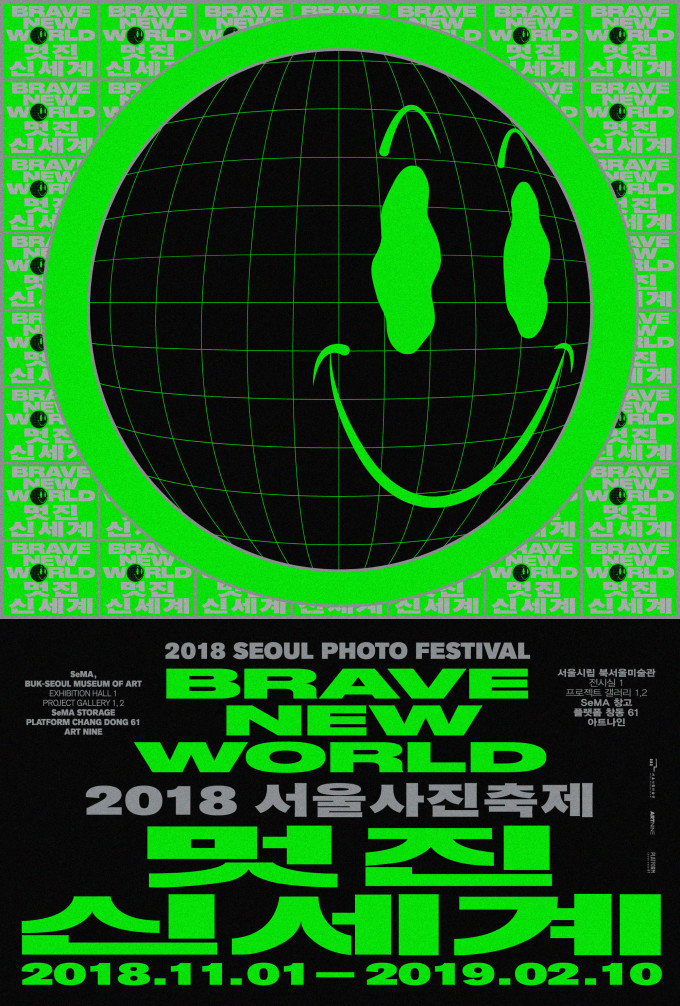
Inspired by Aldous Huxley’s 1932 novel, Brave New World, 2018 Seoul Photography Festival explores the theme of a future society where humans are artificially modified and controlled by advanced scientific technology.
The exhibition examines the temporal setting of the novel, A.F.632, as a metaphorical basis that reflects the conditions and paradox of our technological development following modernization and presents how the emergence and distribution of new technology not only serves as the source of change for industries and material society, but also as a central force in subverting political systems, social structure and human values.
The 19 artists participating in this exhibition individually reflect on our current information system and conditions which operate in similar context to the super-utilitarianism of Huxley’s future world in the year After Ford 632. Taking these issues as the motif of their works, the artists present their unique reactions and ways of resistance against the issues surrounding the dramatically changing global politics, society and environment.(reference : museum’s information.)
The introduction of the work
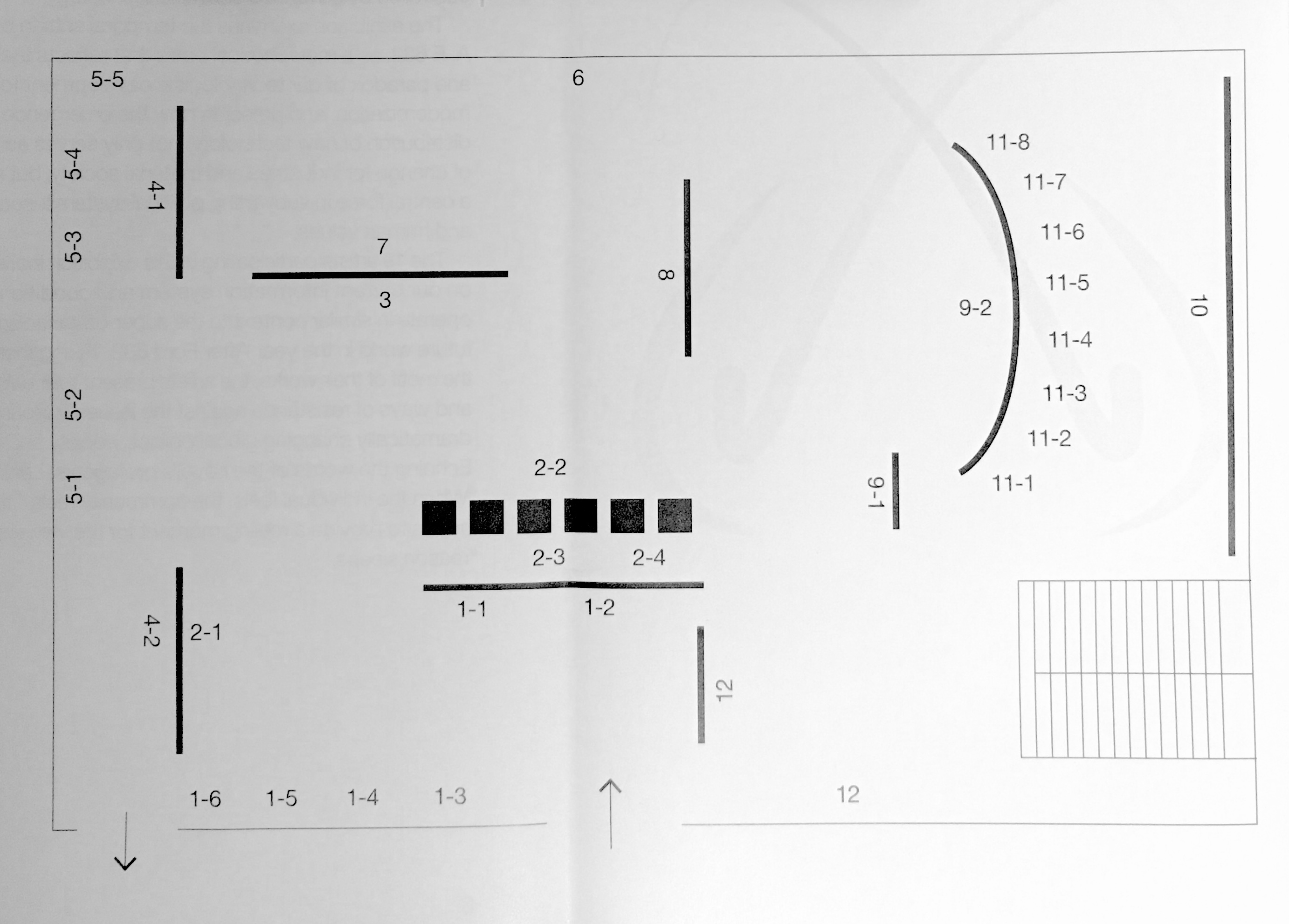
The introduction of the work is explained with a map attached to the guidebook. The map included an image of each piece, a brief description of each piece, and a feeling of the audience.
Zhang Kechun, The Yellow River among Mountains, Gansu, 2011, Inkjet on cotton paper, 135x167cm
Zhang Kechun, Lanzhou City, Gansu, 2012, Inkjet on cotton paper, 135x167cm
1. 장커춘 Zhang Kechun
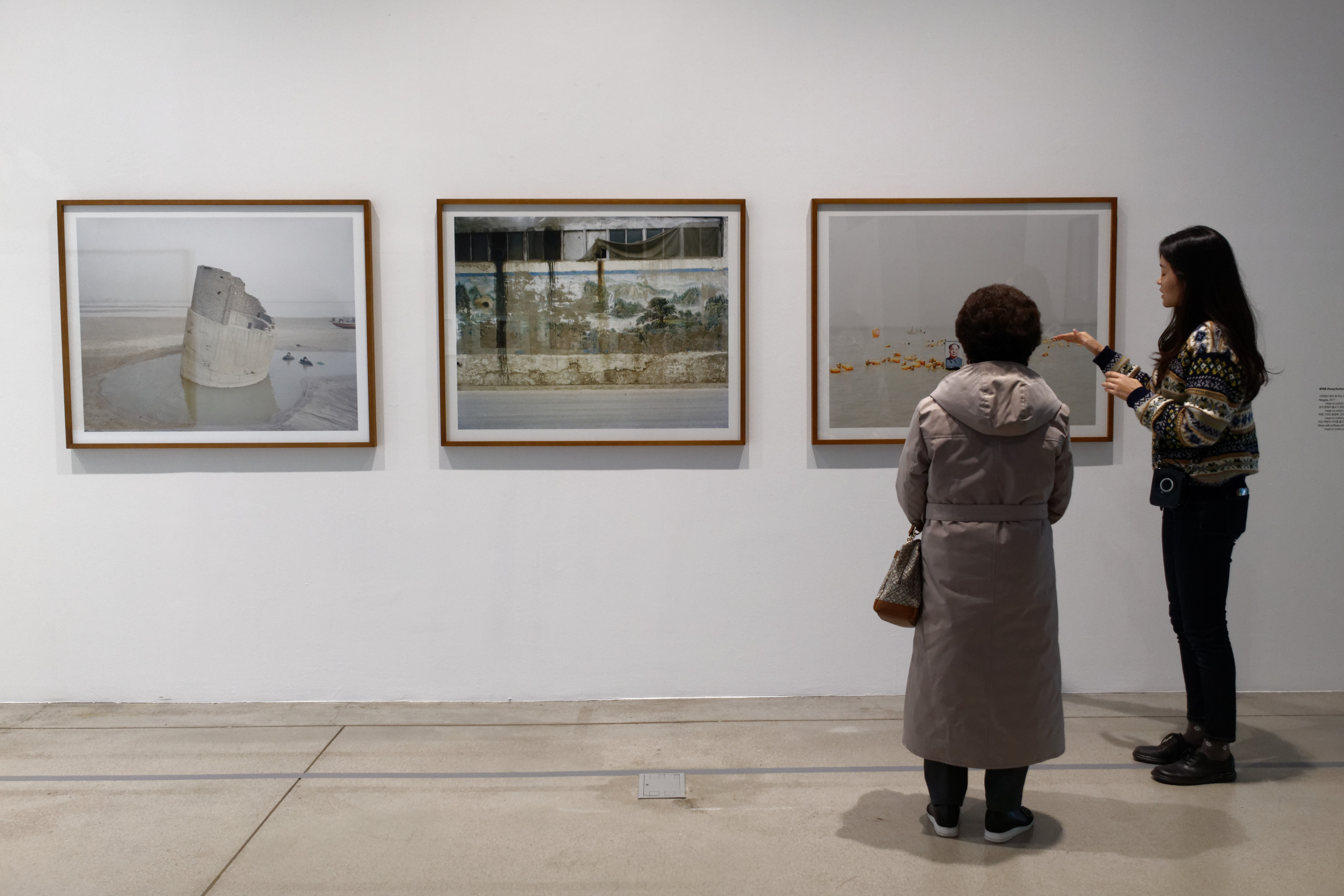
The photographer Zhang Kechun, who is based on Chengdu in China, is working on the natural and social landscape of China, which is changing rapidly in economic development and civilization. His two large printed works, which you can see as soon as you enter the exhibition hall, highlight the world of his work and the theme of the Seoul Festival of Photography. Although China has abundant natural environment to suit the vast continent, the city cannot be seen due to urbanization. And if you look closely at the vast natural landscape of China, you can see that the human hand has changed.
The vast China has a natural environment rich in population and area. To think of nature, China is urbanizing and industrializing due to its rapid economic development, and what we think of in China is such things as factories, big cities, and air pollution. There is a point in his work, such as the beautiful but somewhat changed and damaged natural environment, cultural heritage, and the changing appearance of China that has been civilized but only interested in the blind.
To be honest, there was not much excitement about Chinese work. Rather than being indifferent to China, it just seemed like a primary work. The coexistence and agony of industrialization and natural destruction was all in the frame. It’s a sad piece.
Area Park, Fukushima Archive-Burned Desk, 2011, Digital C-Print, 185x225cm
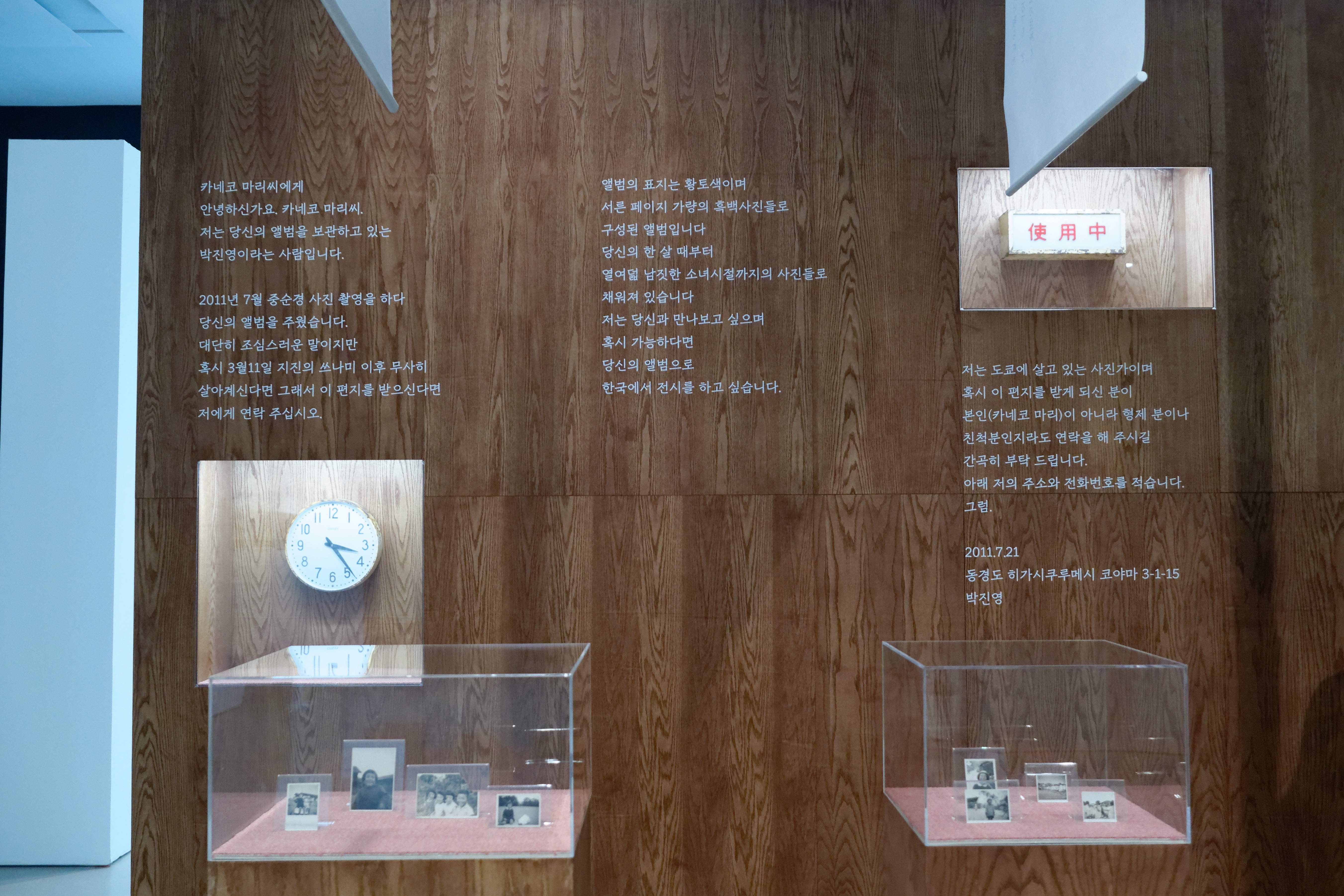
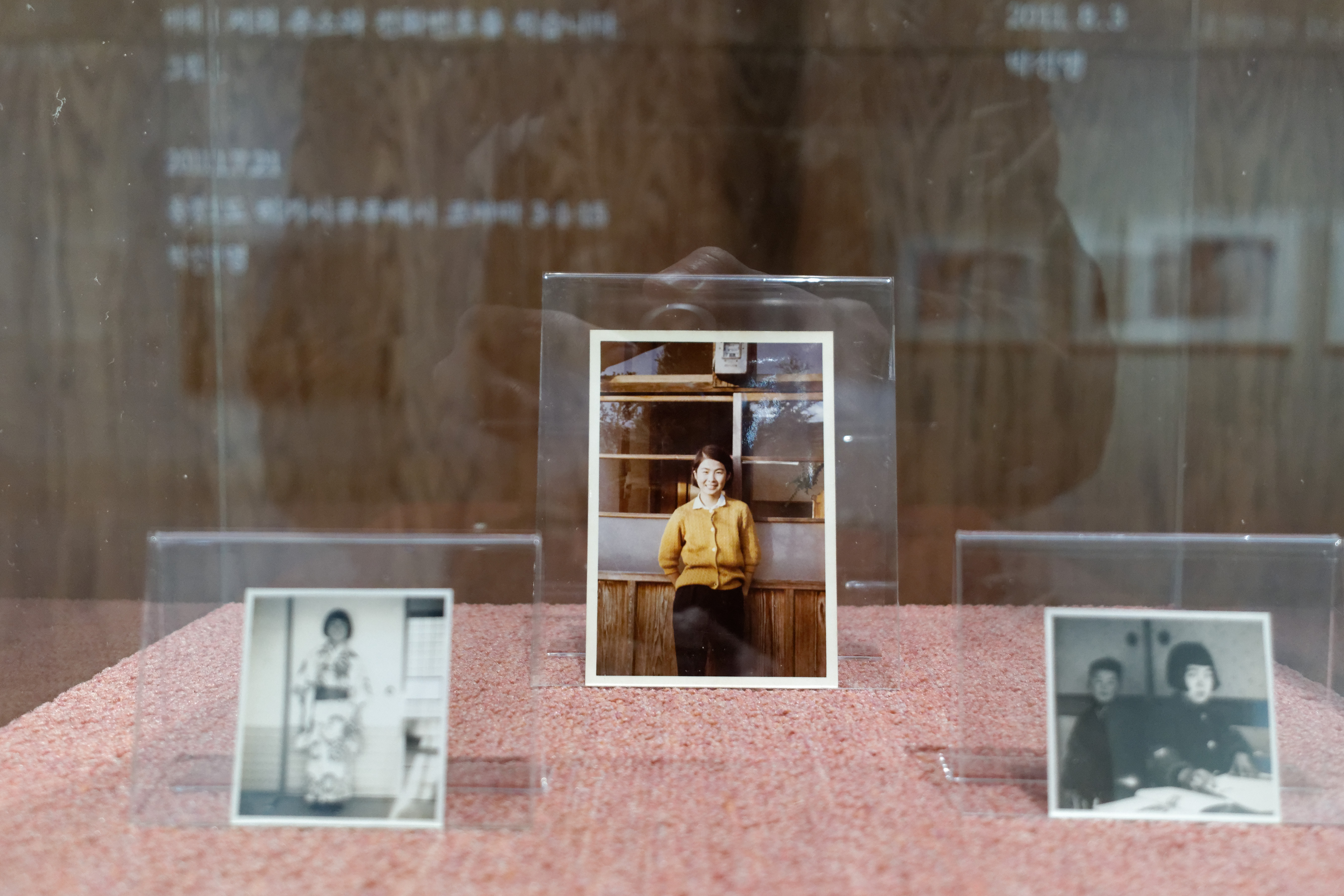
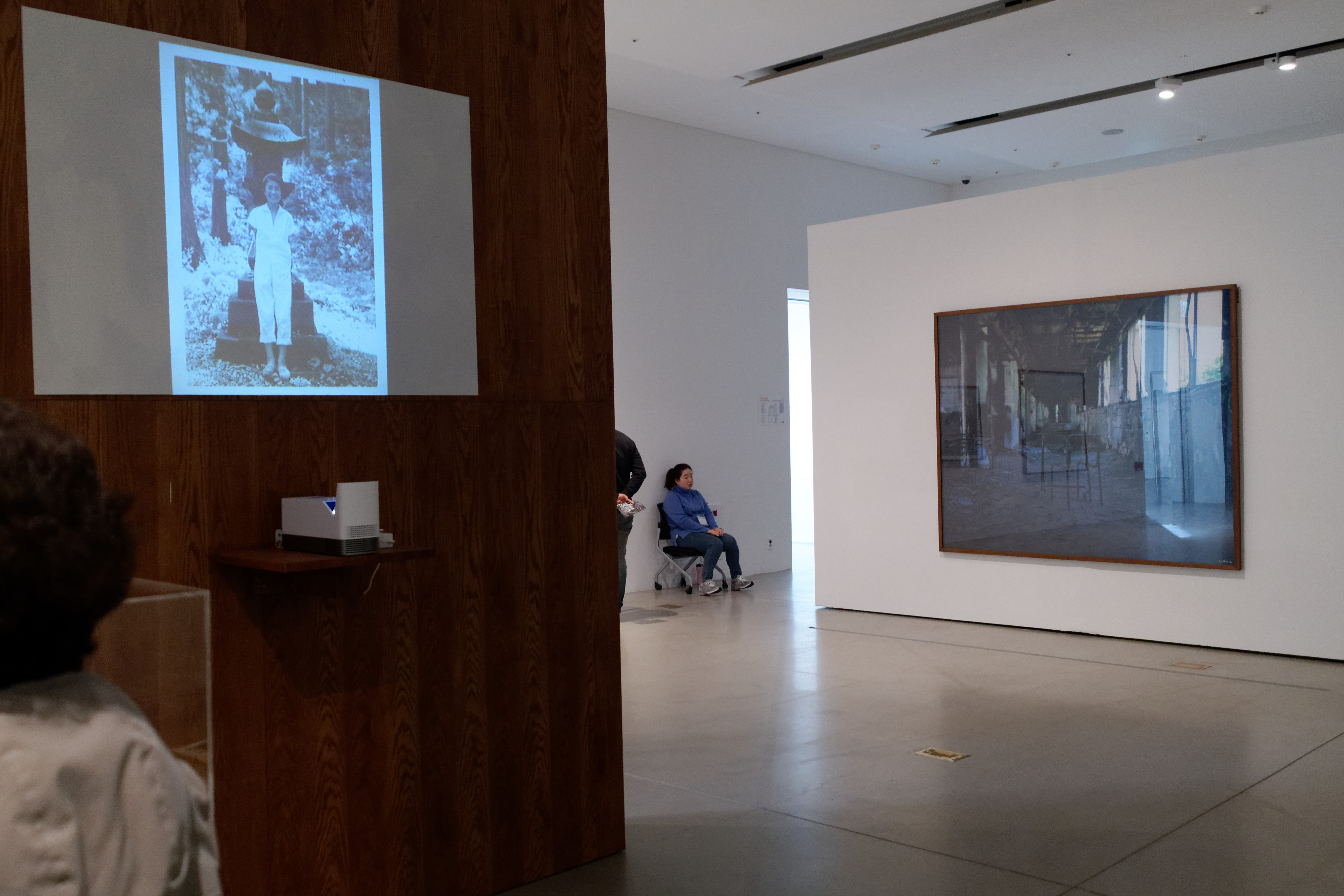
Area Park, Kaneko Mari’s Album, 2011, Mixed media, Dimension, Variable, photo:Youngjoo Kim
2. 박진영 Area Park
The artist filmed the Fukushima region of Japan, which was severely damaged by the earthquake and its aftermath in 2011. The abandoned chair in Fukushima gives the audience a glimpse of the photos, as well as the cultural and human damage that the natural disaster has caused. And the Carnegie Mare album, which takes up some space in the exhibition hall, tells the story of a Japanese man who was found by the author himself.
It also shows what happened after the Fukushima nuclear accident and what happened before the Fukushima nuclear accident. The author discovered a Japanese relic named Kaneko Mari in the ruins and documented it. It is a work that suggests what the nuclear weapons made for convenience have left us with.
I want to applaud the author’s ability to archive. He visited the site of the Fukushima nuclear plant in person, where he made a work of a combination of records taken like a reporter. It looks easy, but it feels like it’s a hard task to create something out of nothing. I think all three are well-equipped works as observers and writers.
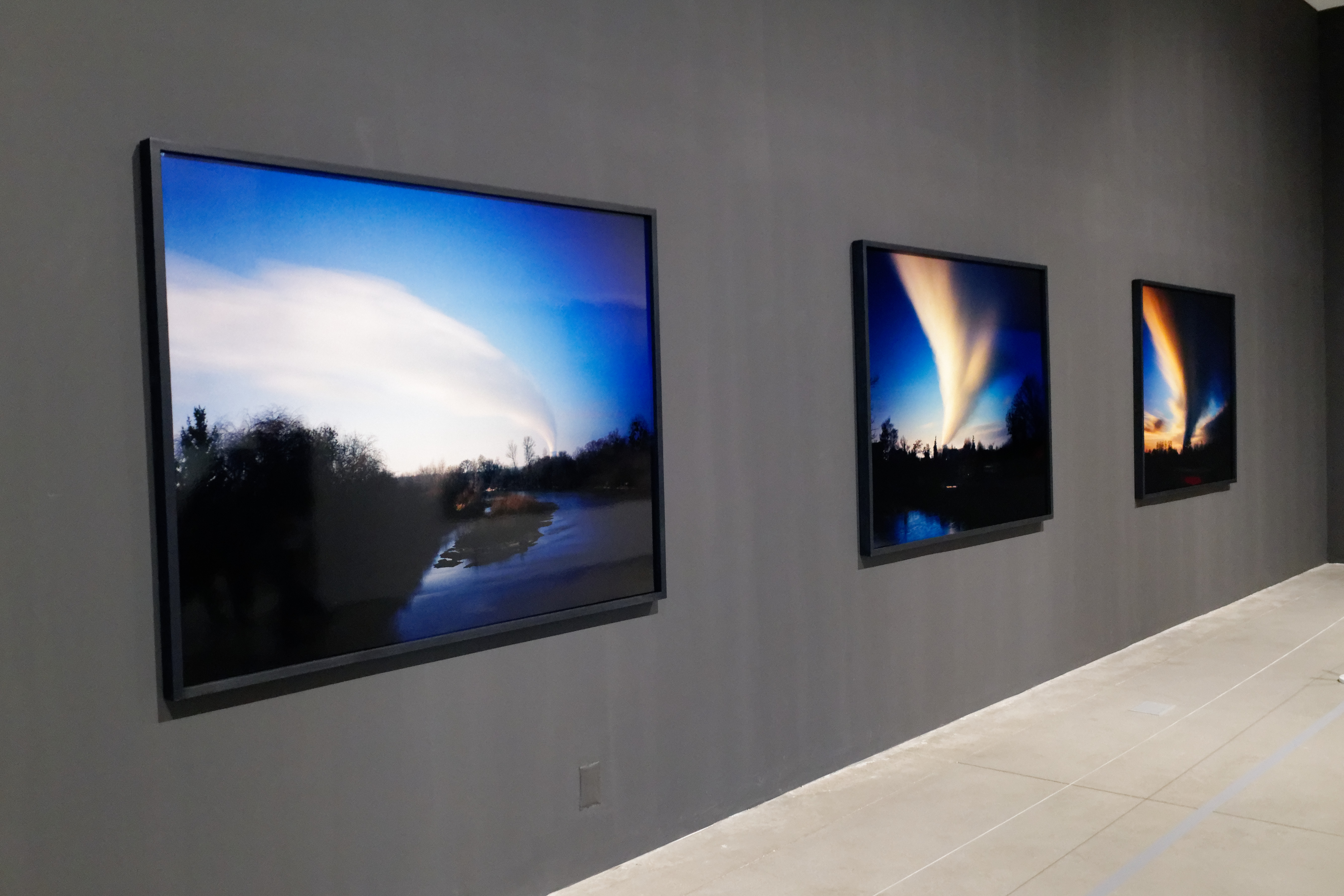
한성필 작가의 작품 전시 전경
Han Sungpil, Ground cloud in Seine 025, 2005, Chromogenic color print, 122x163cm
한성필
Photographs that occupy some space in the exhibition hall. Han Sung-pil’s “Cloud Ground” is a work that seems to contain beautiful blue skies and clouds. The clouds in the author’s work, which focused on the environment and nature, are actually clouds from nuclear power plants. an image of a beautiful but unappreciable phenomenon Once realized, it makes the audience feel the reality they cannot feel beautiful.
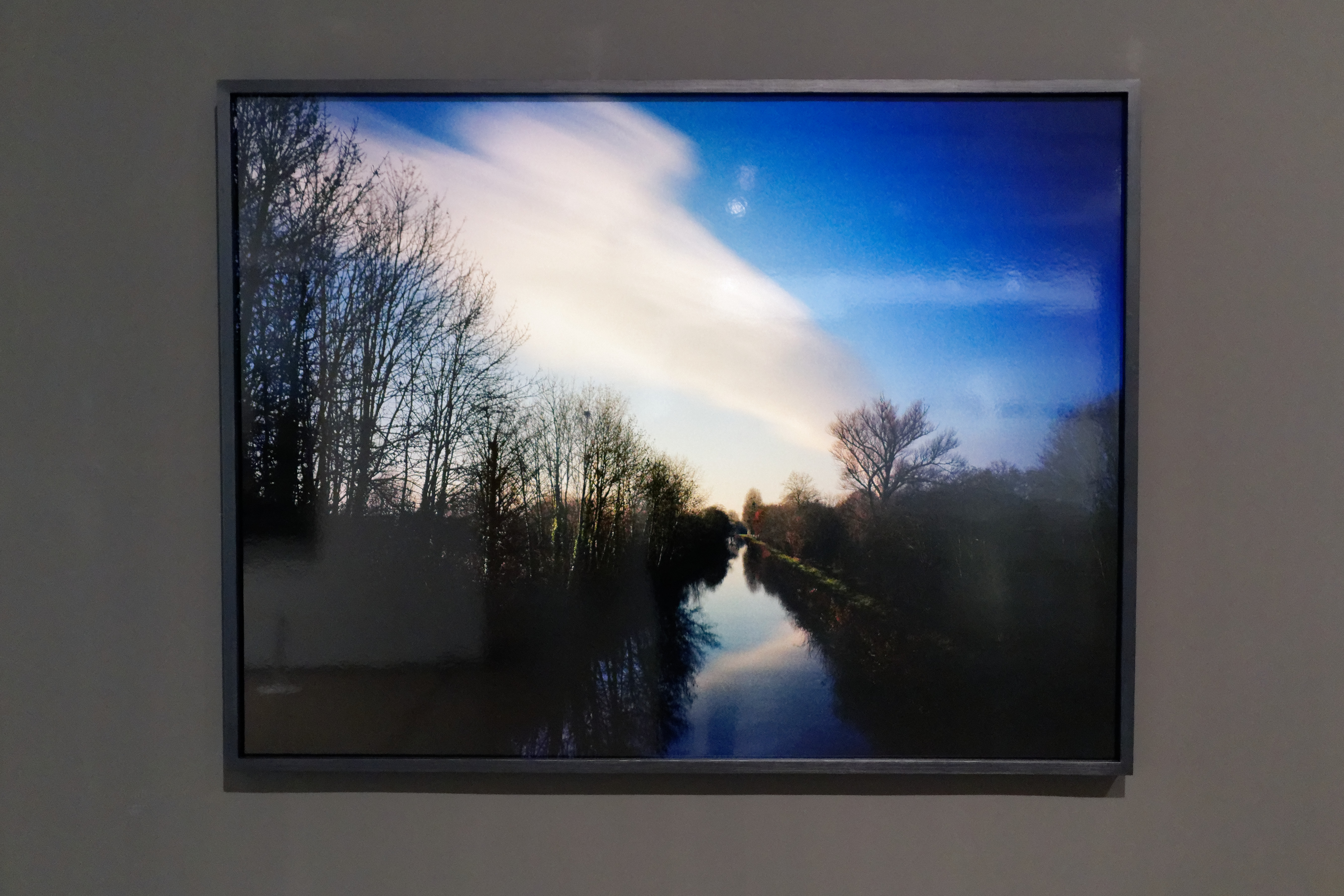
The author’s intention is good, embedded in the beauty of the cloud in the frame. It is a good product that utilizes common sense that it used to know. If the Chinese work is one-dimensional, it gives the audience a chance to think more. Nice work.
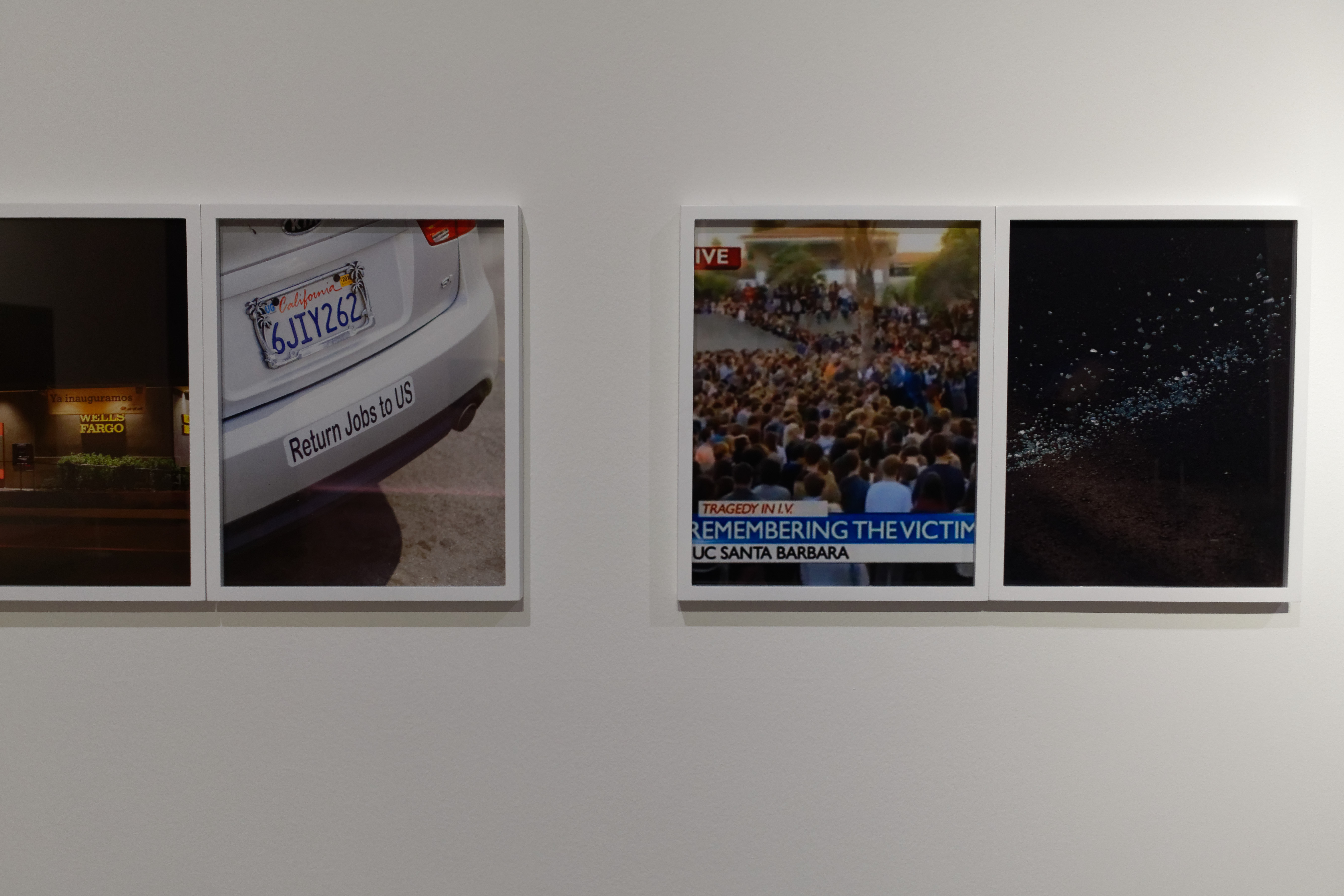
Rinko Kawauchi , untitled(from the series of Ametsuchi), 2012, Lambda print, 148x185cm each
the series of Ametsuchi), 2012, Lambda print, 148x185cm each
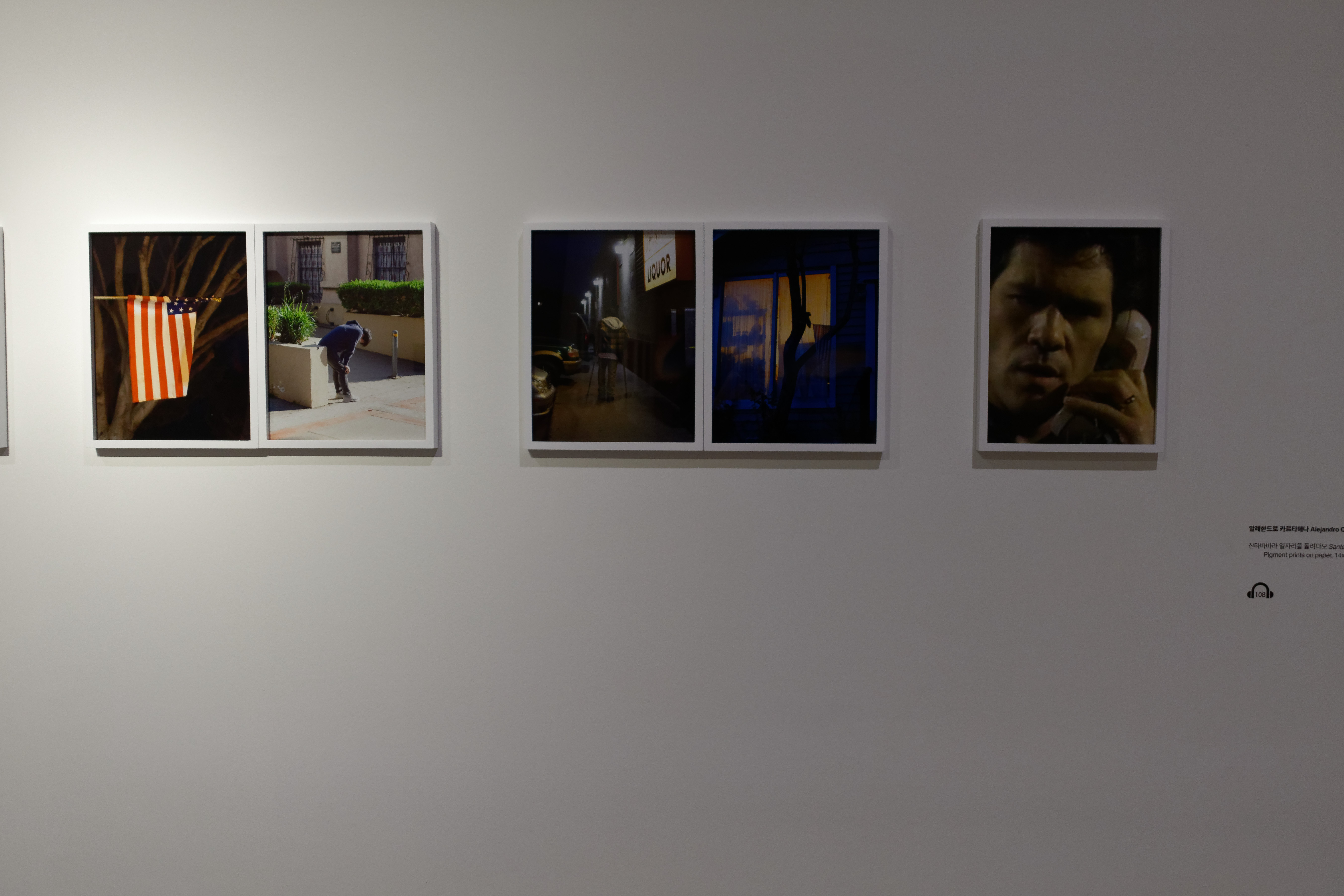
Alejandro Cartagena, Santa Barbara Return Jobs back to US
링코 카와구치 Rinko Kawauchi
알레한드로 카르타헤나 Alejandro Cartagena
At the Seoul Photo Festival, you can see works by Korean and foreign artists as well. Japanese photographer Kawaguchi Linko’s “Tenji Series” depicting the carelessly burning nature. And while unemployment in Santa Barbara, the U.S., famous for its beautiful resort, is looking bright, the work of Alejandro is also impressive.
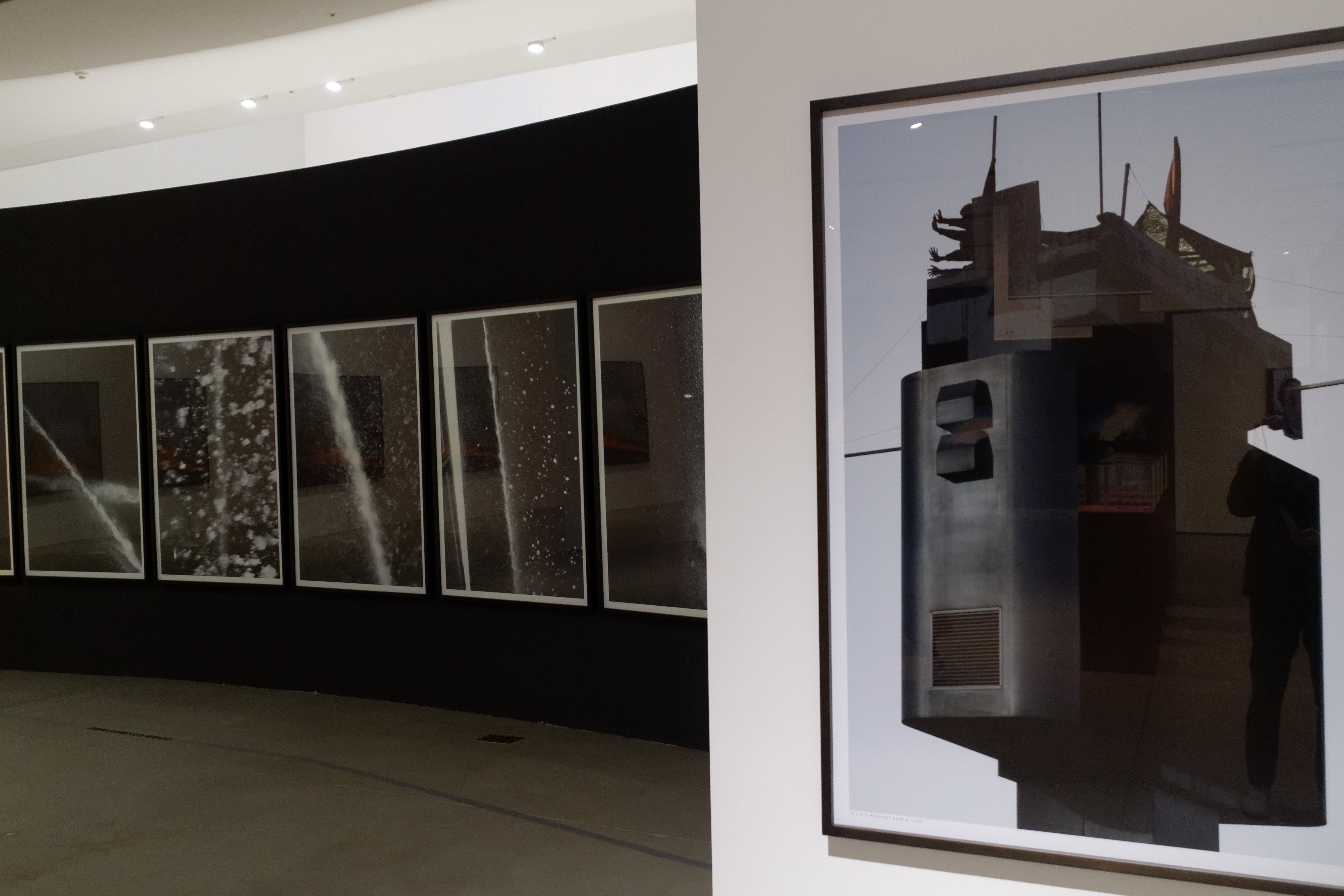
Noh Suntag, Vertigo, #CFJ1301, 2015, Digital archival pigment print, 162x112cm, Collection of Seoul Museum of Art.
노순택
A glimpse of “Drought,” a photographer who is always interested in various scenes in Korean society, gives the impression that it is an abstract painting. However, this beautiful picture of an abstract painting captures a water cannon fired at the scene of the demonstration. You can see the development of civilization and what is happening at a time of conflict between Korean society and society in a rapidly changing era. His work in the “Emergency Country” series also shows the changing conflicts and sorrows of today’s Korean society.
As a Korean, N.S.T’s work is not uncomfortable. It feels like a great work to film and show an uncomfortable one. No matter what exhibition he meets, his work is always full of color. He is a steady and wonderful artist.
A the end, I’d like to share my tip to trip Buk-seoul Museum. There is Art library in Buk-Seoul museum. There are many art books for audiences and neighbors in near the place. It’s my favorite place to read art books, where there is the best place for people, who are interested in art and culture.
If I’m interested in domestic Biennale information, foreign one, I can find almost thing as much as I want. Of course, I can use my laptop and copy books in there. The Art Library is my precious space that inspires me, gives me a variety of ideas, and raises my curiosity about various works.

 kimsoda